
How Barnyard Bacteria Train the Immune System Against Allergies

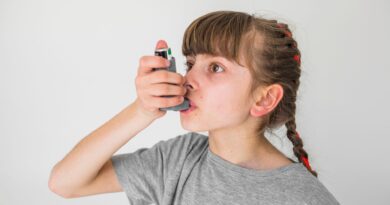
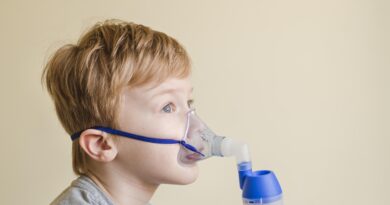
For decades, scientists have observed that children raised on farms are significantly less likely to develop asthma and allergies, but the exact biological mechanism driving this “farm effect” remained a mystery. Now, researchers have pinpointed the specific airborne barnyard bacteria responsible for this immunity, opening the door for revolutionary new medications that can train a child’s immune system without them ever stepping foot on a farm.

Read More


Breathe Easy: It’s National Asthma and Allergy Awareness Month!

May is National Asthma and Allergy Awareness Month, a time to unite and advocate for accessible treatments for all those affected by these conditions, as highlighted by the Asthma and Allergy Foundation of America. Let’s use our voices and actions throughout the month to promote understanding, support research, and ensure everyone can breathe easier.

Read More

Take Control: Practical Steps for Managing Your Allergic Asthma

For those with allergic asthma, identifying and minimizing exposure to specific triggers is a cornerstone of effective management; keeping a detailed symptom diary can be incredibly helpful in this process. Consulting an allergist is also crucial, as these specialists can perform targeted tests to definitively identify the specific allergens that trigger your reactions and help you develop personalized strategies.

Read More

Calorie Intake and Childhood Asthma: A Complex Relationship

New research indicates that children with insufficient calorie intake face a higher risk of asthma, but increasing calories beyond a specific threshold (56.442 kcal/kg/day) does not further reduce this risk. While adequate calorie consumption is important, dietary quality, including limiting sugar and fat, also plays a critical role in asthma prevention.

Read More

Asthma Doesn’t Have to Sideline Your Workouts


Don’t let asthma keep you sidelined! With proper management and a good understanding of your triggers, you can safely exercise and enjoy an active lifestyle. Remember the 4-step plan if symptoms arise during your workout: STOP, USE your inhaler, REST, and DISCONTINUE the activity.

Read More

ECU Health’s Pediatric Asthma Program Makes a Difference

ECU Health’s Regional Pediatric Asthma Program is improving the lives of children across rural North Carolina by combining top-notch medical care with a deep commitment to building relationships within the community. Their personalized approach, which includes advanced testing, addressing environmental triggers, and providing crucial support to families, is making a life-changing difference for thousands of children.

Read More

Asthma Costs Hitting Americans Hard

A new study reveals that a staggering 1 in 6 American adults with asthma can’t afford their essential medications. That’s over 3 million people skipping inhalers or delaying refills due to high costs.

Read More

Tips for Keeping Asthma Under Control During Trick-or-Treating

Halloween can be a fun time for kids, but for those with asthma, certain triggers like cold air, fog machines, and allergens can cause flare-ups. By following a few simple precautions, like wearing a scarf in chilly weather, washing costumes, and carrying quick-relief medication, you can help ensure your child enjoys a safe and asthma-friendly Halloween.

Read More